

Zöld Liget Kertépítés és Parkfenntartás Zöld Liget
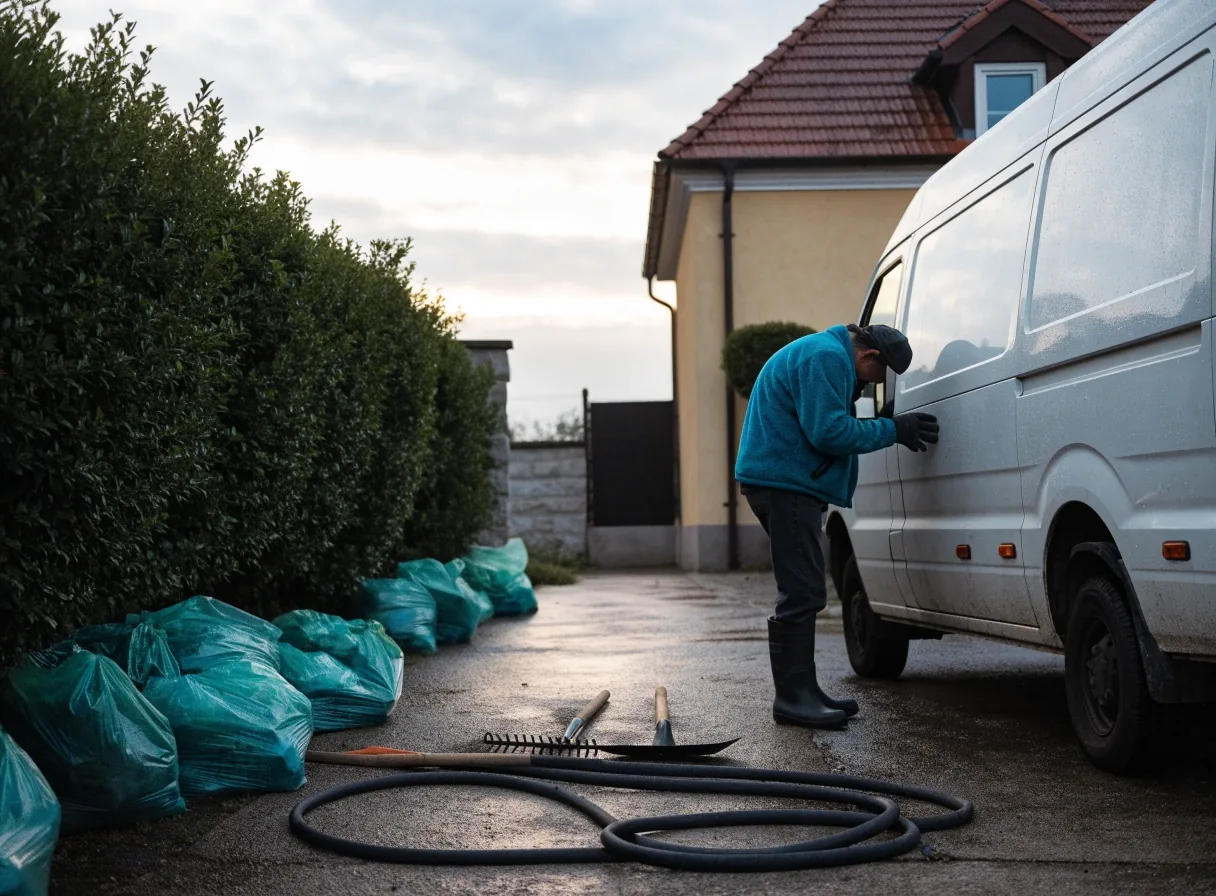
Rain-dark Győr garden at night with a low hedge, wheelbarrow and coiled hose under sodium streetlight
Zöld Liget Kertépítés és Parkfenntartás · Győr

Gardening and Green-Space Work in Győr

Zöld Liget handles outdoor work in Győr and elsewhere in Hungary: garden building, ongoing garden care, green-space management, and the earthworks that come before planting.

A typical job, step by step

  • Call or message, describe the site
  • Site visit: levels, access, ground, planting worth keeping
  • Written scope: order of work and weather dependencies
  • Groundworks, build or maintenance schedule
  • Handover and green-waste removal, site left clear

What we take on

The work splits into four broad areas. Most enquiries fall into one or two of them, and part of the first conversation is simply working out which. One crew can take a plot from bare, uneven ground to a finished, maintained garden, or step in only for the tasks you don't want to do yourself.

Kertépítés — garden design and build

Soil work, levels, paths and planting, planned from a site survey rather than a mood board.

Garden design and build

Kertfenntartás — recurring garden care

Fűnyírás, gyepápolás, sövényvágás, metszés, weeding, and green-waste removal on a schedule that follows growth.

Garden and green-space maintenance

Zöldterület-kezelés — green-space and park maintenance

Larger green areas: housing-estate courtyards, sports grounds, municipal and commercial grounds kept presentable across a whole season.

All services

Tereprendezés — earthworks and soil work

Ground that is too high, too low or too compacted to plant into: levels, drainage, sub-base and soil improvement.

Earthworks and site preparation
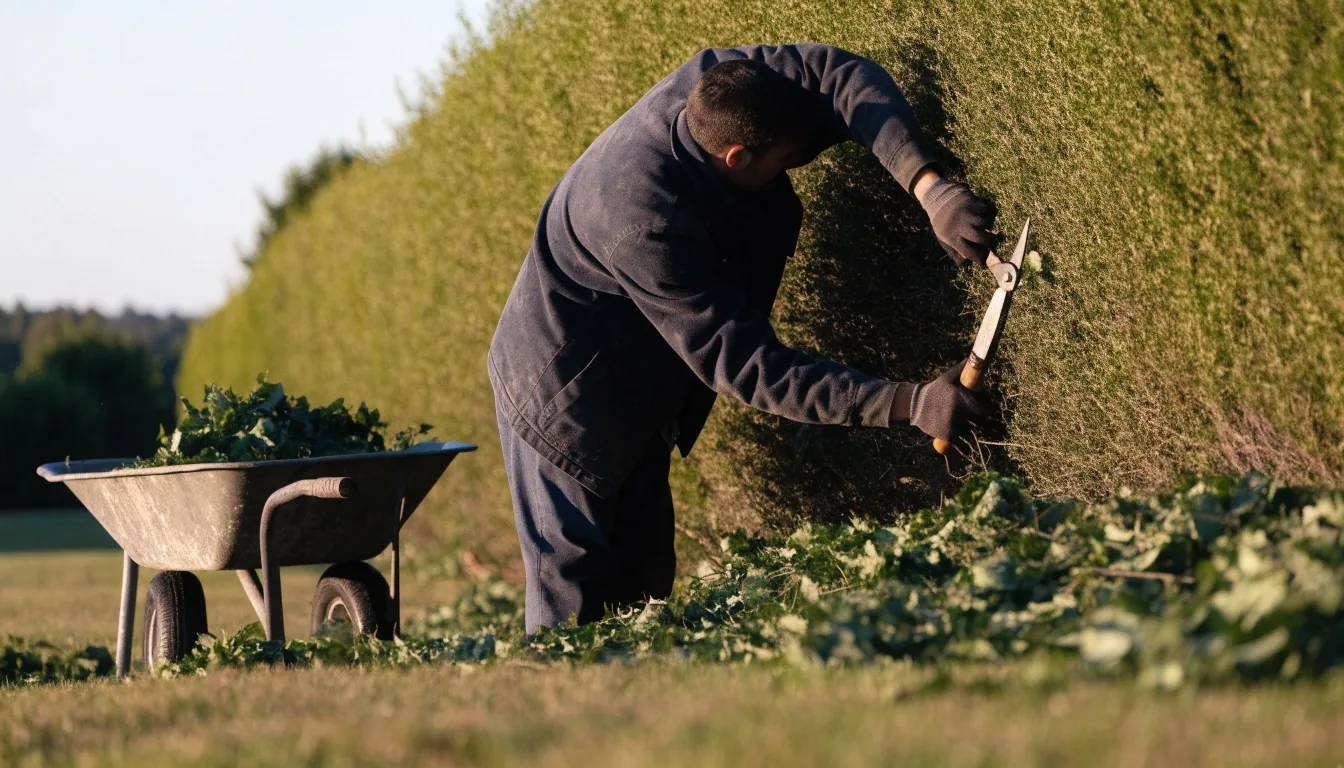
Secateur blades cutting a wet hedge at dusk with trimmings falling onto damp turf
Hedge cutting and pruning season

Garden design and build

A build starts with a site survey, not a mood board. We look at slope, drainage, existing trees, sun exposure, and where services run underground, because those facts decide what can actually be built. From there the plan moves through groundworks, hard landscaping such as paving and edging, then planting in the right season for each species.

Öntözőrendszer is usually planned at the same stage rather than added later, since pipe runs and valve positions are far easier to set before paving goes down.

  • Site survey covering slope, drainage, existing trees and buried services
  • Groundworks and talajmunka before any hard surface goes down
  • Paving, edging and hard landscaping built to falls that drain
  • Planting in the right season for each species, with öntözőrendszer planned in
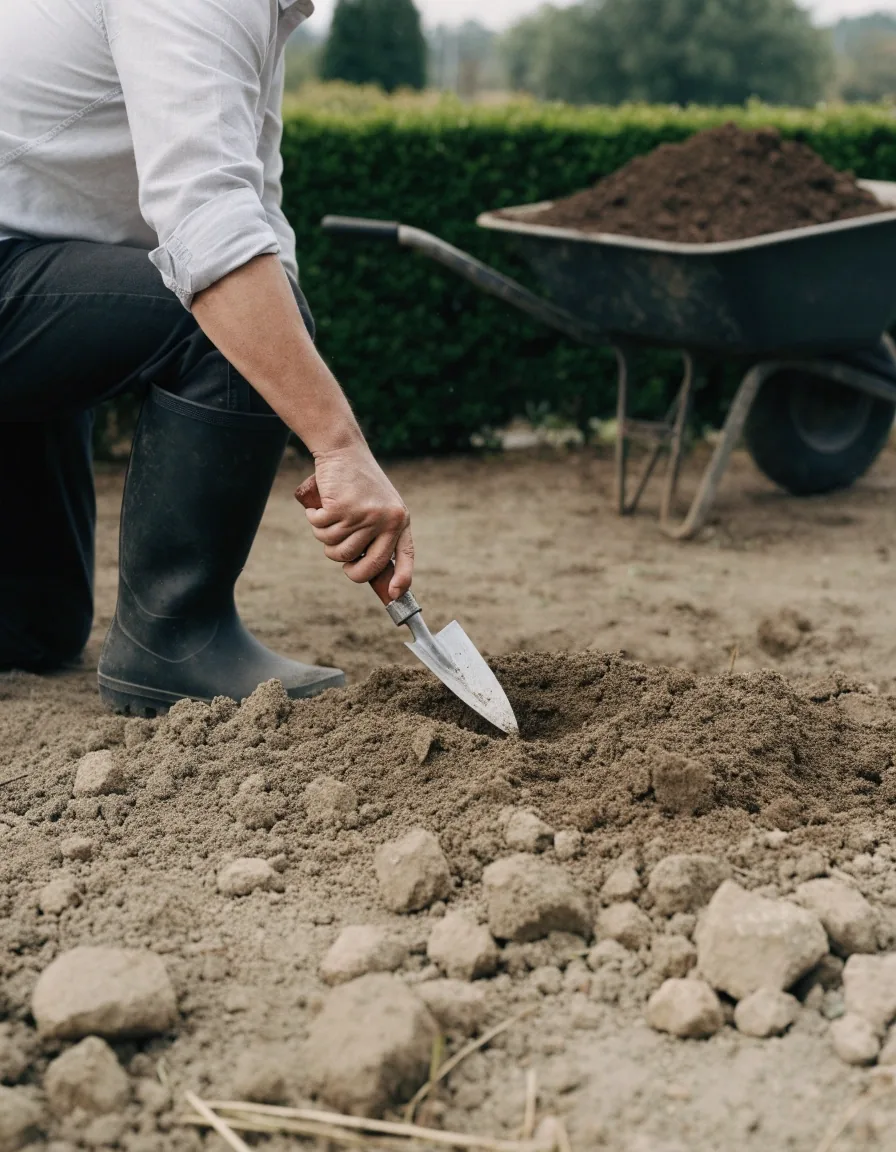
Soil core held in a gloved palm under work light, showing clay-loam structure before planting
Soil structure checked before a bed or lawn base is prepared

Recurring maintenance

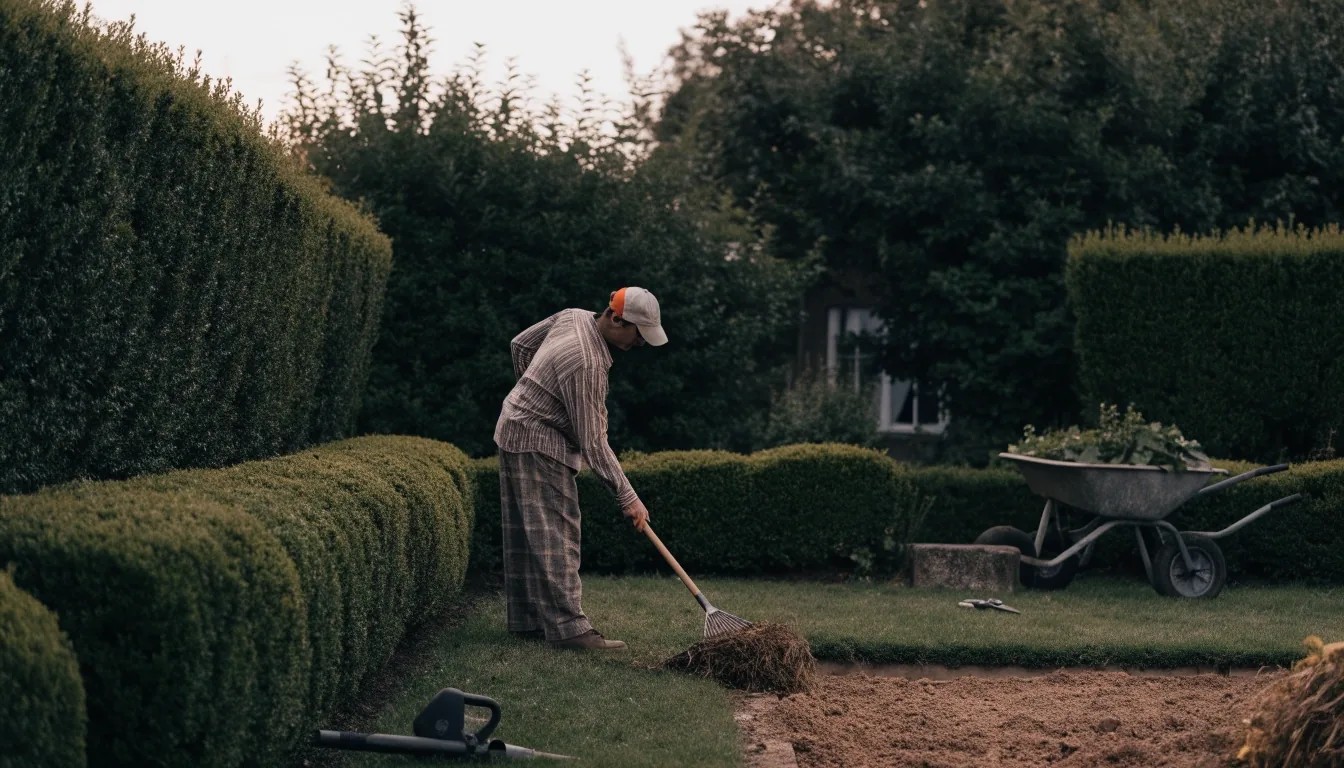
A garden that is built well still needs regular work, and that is where kertfenntartás comes in. Mowing frequency follows growth, not a fixed calendar: in a wet Hungarian spring a lawn may need cutting weekly, while a dry August can stretch that out considerably.

A maintenance programme, in one cycle

Alongside mowing, a programme covers lawn aeration and edging, weeding of beds and paved joints, shrub and hedge pruning, tree pruning where needed, leaf collection in autumn, and green-waste removal so the site is left clear. Private gardens, condominium courtyards and institutional grounds follow the same logic at different scales.

Visit length 62%
Fűnyírás · gyepápolás · sövényvágás Metszés · weeding · leaf collection Zöldhulladék elszállítás every visit

Green-space management and public areas

Zöldterület-kezelés is what keeps parks, housing estates, sports grounds and commercial premises presentable across a whole season. It is broader than garden maintenance because it includes planning the work around public use, coordinating several crews, and keeping records of what was done and when.

What the wider arrangement involves

Municipal green-space operations in Hungary often involve tree-care and plant-protection tasks, planting works, and supervision of construction or landscaping projects on the same site, plus administrative steps such as tree-removal permits. We work with that structure, whether the client is a municipality, a facility manager, or a company looking after its own grounds.

Housing-estate courtyards Recurring schedule
Parks and public green areas Season-long programme
Sports grounds and institutional gardens Fixed calendar
Commercial and industrial premises With documentation
Tree care, planting works and project supervision Coordinated crews

Each client group has a different rhythm: a family garden is usually seasonal and flexible, while a commercial site often needs a fixed schedule and documentation. Saying which group you fall into at first contact helps us propose the right kind of arrangement.

See the service list
Excavator bucket resting in turned dark topsoil on a rain-soaked garden plot at dusk
Tereprendezés — ground prepared before anything is planted

Earthworks and site preparation

Tereprendezés is the least visible part of a project and often the one that decides whether it succeeds. Typical tasks include stripping and stockpiling topsoil, cutting and filling to bring a plot to the right level, shaping falls away from buildings, installing drainage, and compacting sub-base under paving.

Talajmunka also covers soil improvement: heavy clay and compacted fill both need breaking up and amending before anything is planted. On construction sites this work has to fit around other trades, so sequencing and access are agreed in advance rather than improvised on the day.

See earthworks and site preparation
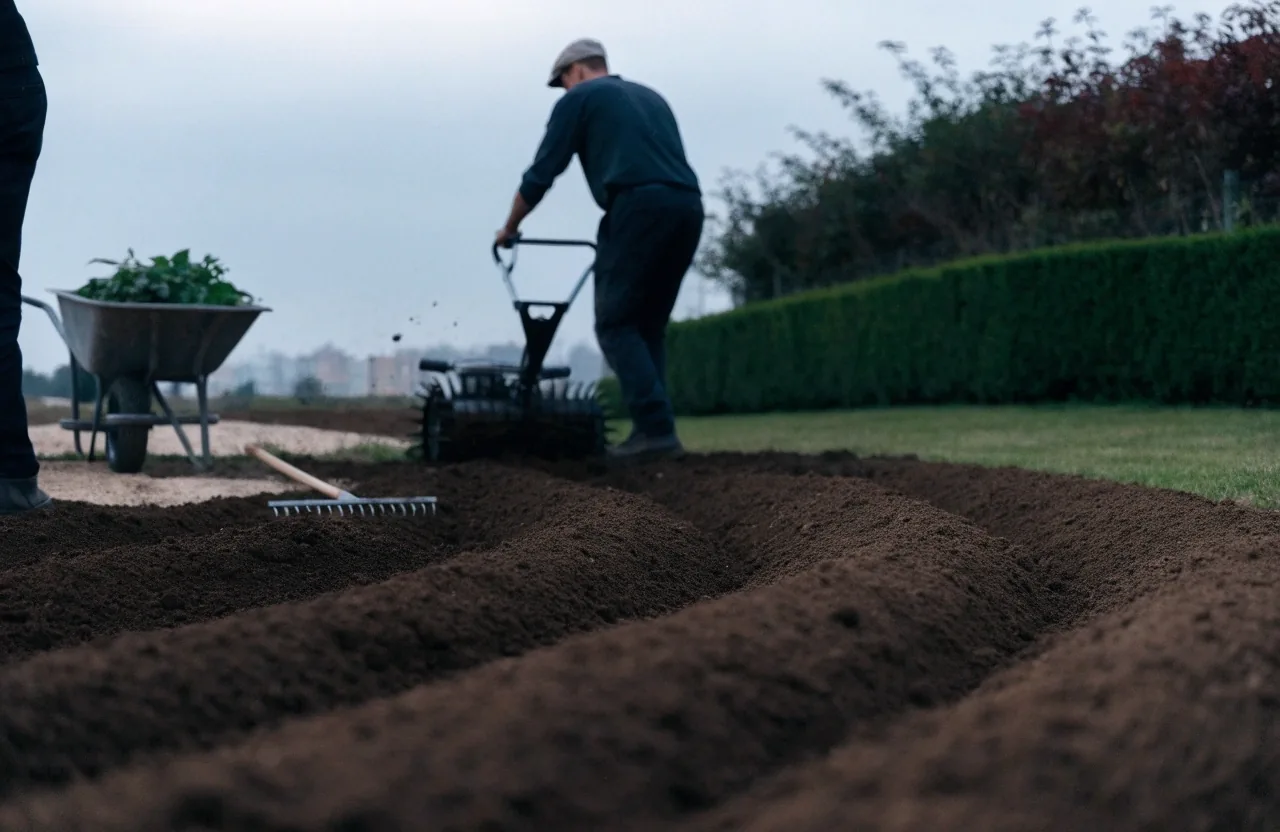
Aerator leaving rows of soil plugs across a wet mown lawn at dusk
Lawn base prepared and aerated before seeding

Who we work for

The customer base for this kind of work in Hungary is wider than people expect. Each group has a different rhythm, and knowing which one you are in helps us propose the right arrangement from the first call.

Homeowners in and around Győr

Usually seasonal and flexible work: a new garden, a lawn that needs a proper base, or a maintenance arrangement that follows the growing season.

Condominium communities

Shared courtyards where green waste has to leave the site each visit and the work has to fit around residents' use of the space.

Public and semi-public buildings

Institutional grounds that need a predictable schedule and a written record of what was done and when.

Municipal grounds and sports facilities

Larger green areas where several crews and tasks are coordinated across one site, including tree care and planting works.

Industrial and commercial sites

Grounds kept in order on a fixed calendar, with the documentation a facility manager needs on file.

Builders and project managers

Earthworks and final landscaping that has to be sequenced around other trades, with access agreed in advance.

How a job usually starts

Open rear doors of a work van at night with a coiled hose and garden tools inside
Tools and access are checked before the first day on site

It begins with a message or a call, then a site visit. On site we check access for machinery, water and power points, the state of the ground, and any existing planting worth keeping. After that you get a written scope: what will be done, in what order, and which parts depend on weather or on other trades finishing first. For recurring maintenance the scope is a schedule rather than a single project. Nothing is agreed until you have that description in hand.

Message or call with the address
Site visit with access and ground check
Written scope and order of work

Working around Hungarian seasons and soil

Timing matters more than most clients expect. Planting has spring and autumn windows, lawn establishment needs consistent moisture, and groundworks are easier when the soil is not frozen or waterlogged. Around Győr the soils vary between heavier clay and lighter, sandier ground within a short distance, and that changes how we prepare a bed or a lawn base. A plan that ignores the season will cost more later, so we would rather move a planting date than force it.

Irrigation, planned early

Öntözőrendszer is worth deciding on before hard landscaping, not after. A system is designed around water pressure and flow at the site, the zones you want to water separately, and the planting that needs it most. Installation runs alongside the build, then commissioning checks coverage zone by zone and sets the controller. At the end of the season the system is drained and winterized to avoid frost damage to pipes and valves, which is a routine task rather than an emergency one.

Green waste and site cleanliness

Zöldhulladék elszállítás is part of every maintenance visit and every build. Cuttings, prunings, leaves and surplus soil all have to leave the site, and in Hungary green waste is handled separately from general refuse. Leaving piles on site is not a neutral choice: it smothers lawn, shelters pests, and often breaches the rules of a condominium or commercial property. Our default is to clear as we go, so the property is usable the same day we finish.

  • Cuttings and prunings cleared
  • Autumn leaves collected and removed
  • Surplus soil removed from site

Judging quality in this trade

Price alone rarely separates a good contractor from a weak one. What matters is whether the scope is written down, whether plant selection matches the site's light and soil, and whether anyone has thought about maintenance after handover. Ask how the ground will be prepared, where the spoil goes, and what happens if the season turns wet. A crew that answers those questions plainly is usually the one that finishes the job properly.

Three questions worth asking

  • How will the ground be prepared before planting?
  • Where does the spoil and green waste go?
  • What happens if the season turns wet?

Questions we get asked

What tasks are included in professional garden maintenance in Hungary? Maintenance

A standard programme covers mowing, lawn aeration and edging, weeding, shrub and hedge pruning, tree pruning where required, leaf collection, and green-waste removal. The exact list is agreed per site, since a small family garden and a condominium courtyard need different levels of attention.

How often should a lawn be mown through the season? Mowing

Frequency follows growth rather than a fixed schedule. A wet spring can mean weekly cutting, while a dry summer stretch may allow two to three weeks between visits. Removing too much at once stresses the grass, so we adjust cutting height and interval as the season changes.

When does a project need excavation before planting? Earthworks

Whenever levels are wrong, drainage is poor, or the ground is compacted fill. If water sits after rain, or the plot slopes toward the house, groundworks come before any planting. A site visit answers this quickly.

What is the difference between garden design, park maintenance, and green-space management? Scope

Design covers planning and building a garden. Park maintenance is the recurring care of an existing area. Green-space management is the wider arrangement: scheduling crews, coordinating several tasks, and keeping records across public or commercial grounds.

Getting a quote

Send the address, a few photos if you have them, and a sentence about what you want: a new garden, a regular maintenance arrangement, or ground prepared for something else. For small maintenance jobs a photo and a call is often enough to give a range. For builds and earthworks we visit the site, because levels and access can change the whole plan. We will tell you honestly if the job is not a good fit for us.

Zöld Liget

Szent Imre út 112, 9026 Győr, Hungary

Opening hours

Monday to Friday: 8:00 AM – 5:00 PM
Saturday: 9:00 AM – 1:00 PM