
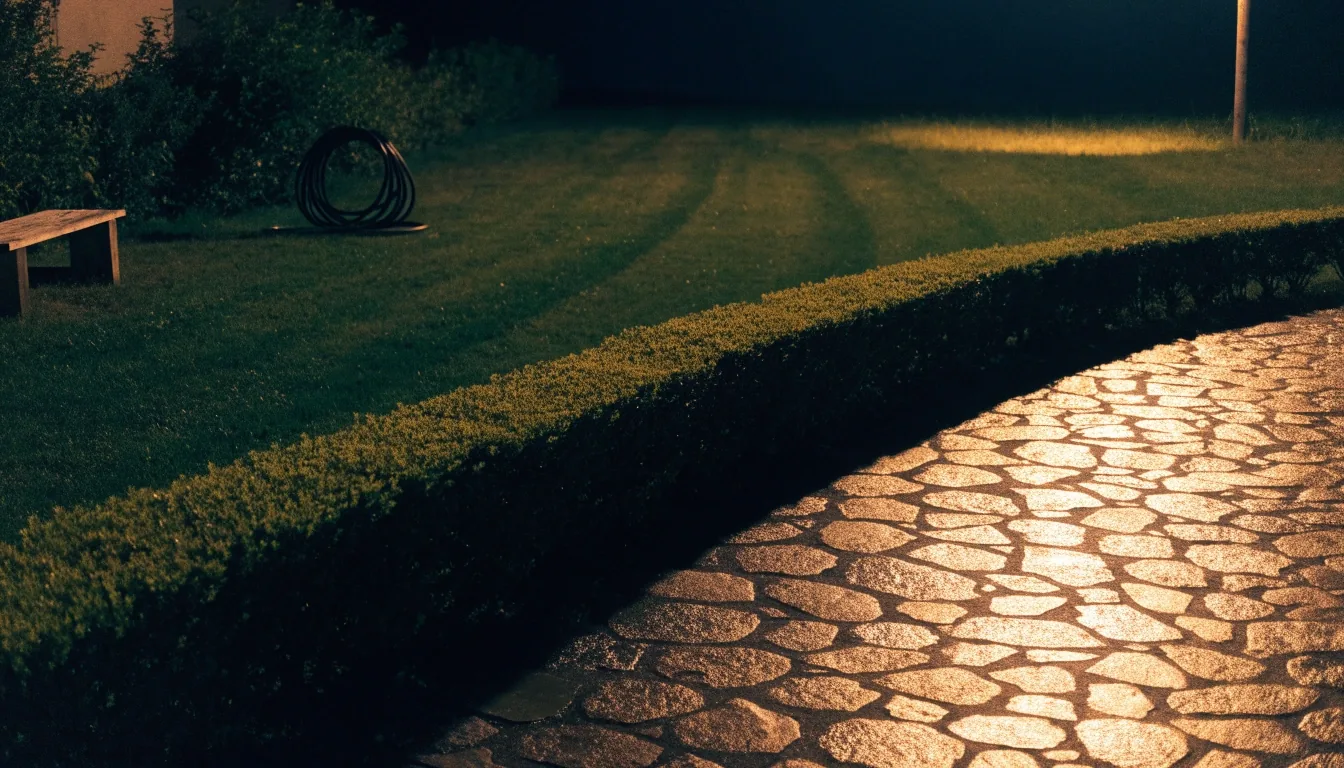
Landscaping and Green-Space Projects We Handle
This page works as a scope description rather than a picture gallery. It sets out the kinds of projects Zöld Liget takes on in Győr and across Hungary, and what each one involves.
A quick read of what usually appears on our schedule. If your site resembles one of these, we can probably help. If it does not, we will say so early rather than take the work and stretch it.
Private garden builds
Most residential projects start with a plot that needs structure. Levels get corrected, drainage is sorted, then paths and planting are laid out around how the household actually uses the garden. A typical build includes soil preparation, hard landscaping, an irrigation system if the client wants one, and planting in the right season.
These jobs are usually planned over a few months rather than a few weeks, because planting windows and weather set the pace. Spring and autumn carry most of the planting; earthworks and paving can run through more of the year. The result is a garden the owner can maintain themselves or hand to us for ongoing care.
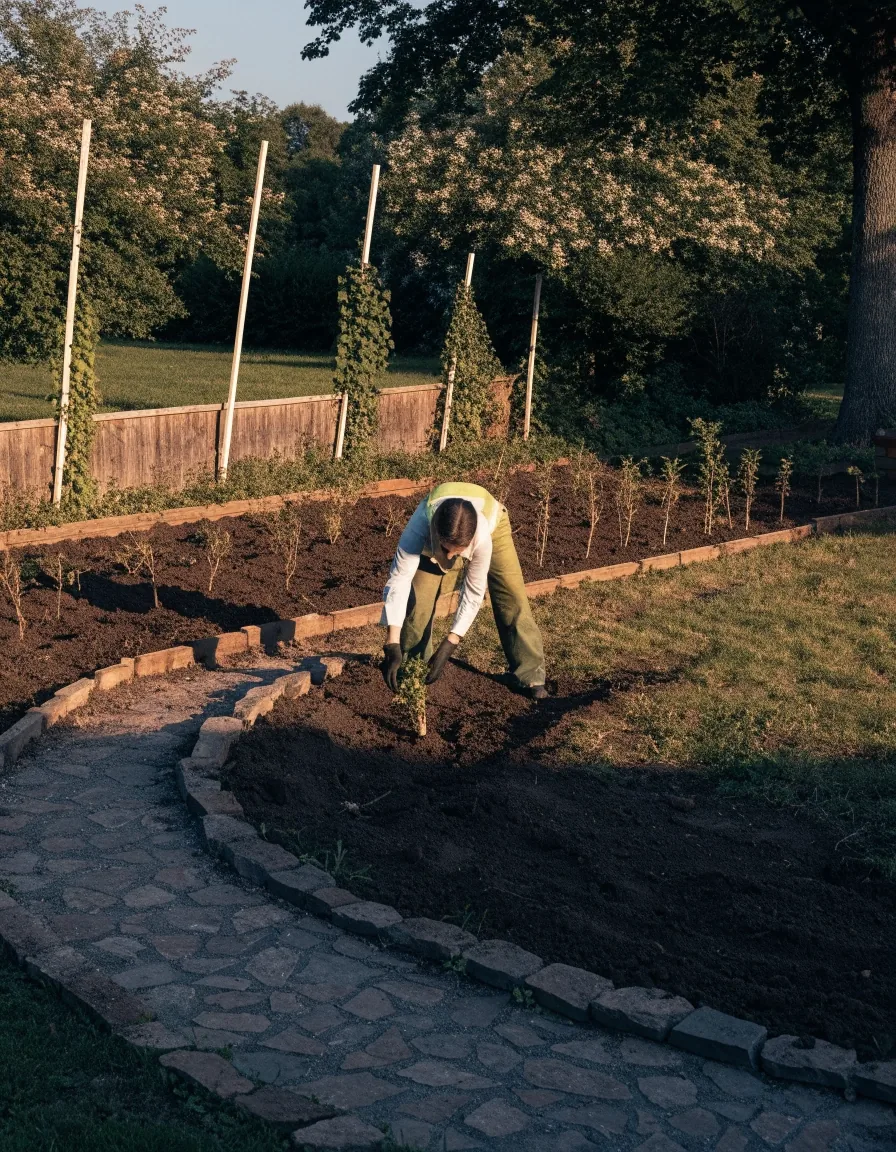
A residential build at planting stage: levels set, drainage run, beds prepared.
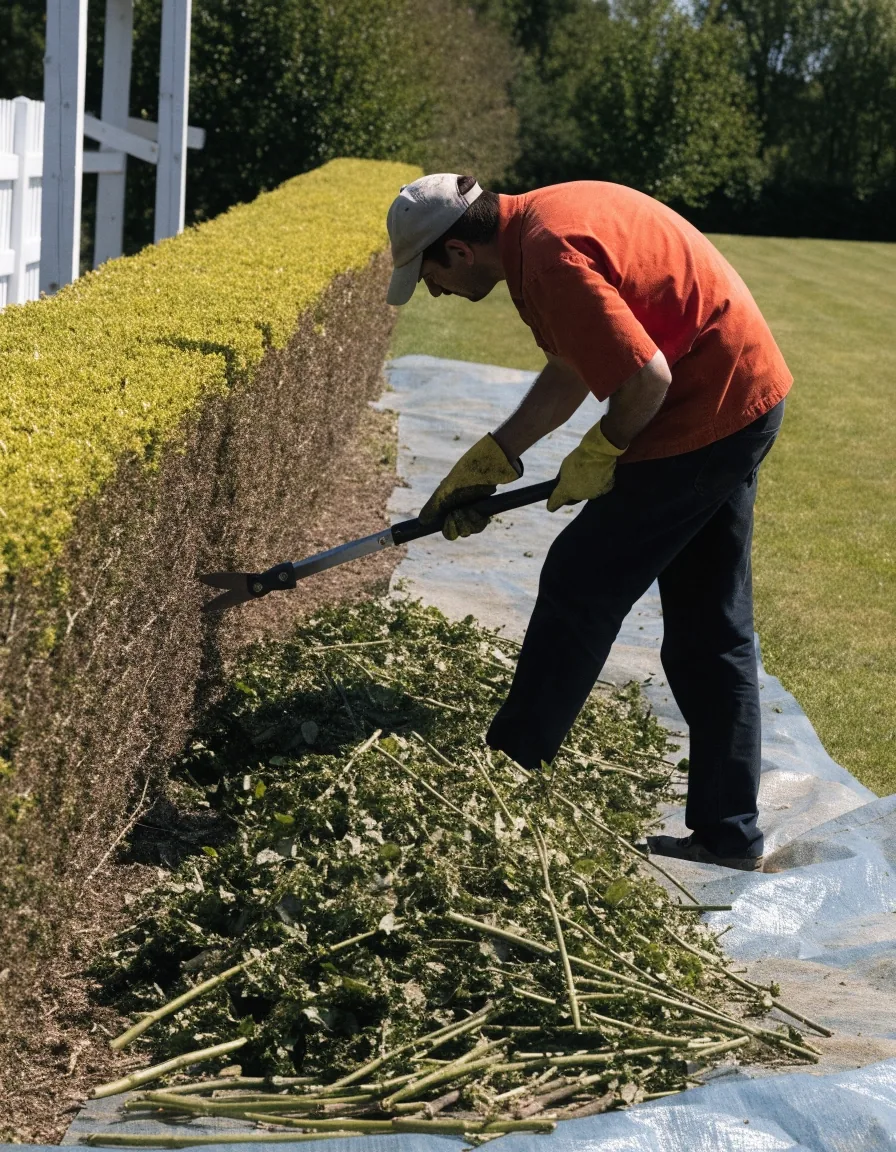
Renovation work is partly a matter of deciding what is worth keeping.
Garden renovation and replanting
Not every project starts from bare ground. Mature gardens often need reworking: overgrown hedges brought back to line, beds replanted where light conditions have changed, lawns restored after years of wear, and drainage improved where water has been sitting through the winter.
Existing trees and shrubs can be valuable structure, but only if they are healthy and in the right place. We walk the garden with you and mark what stays. Anything removed is taken away as green waste rather than left in a corner, and the replanting is scheduled for the season that gives the new material a real chance.
Recurring maintenance for private properties
Many clients never need a build at all. They need someone reliable to keep the garden in order, month after month, without being chased. These arrangements cover lawn mowing, turf care, hedge cutting, pruning, weeding, leaf collection and green-waste removal on a schedule that follows the season.
The scope is written down before the first visit so it is clear what is included and how often we come. If something changes — a new terrace, a shed going in, a family member taking over the beds — the plan is adjusted rather than quietly dropped. For a family garden this is often the simplest and most useful service we provide.
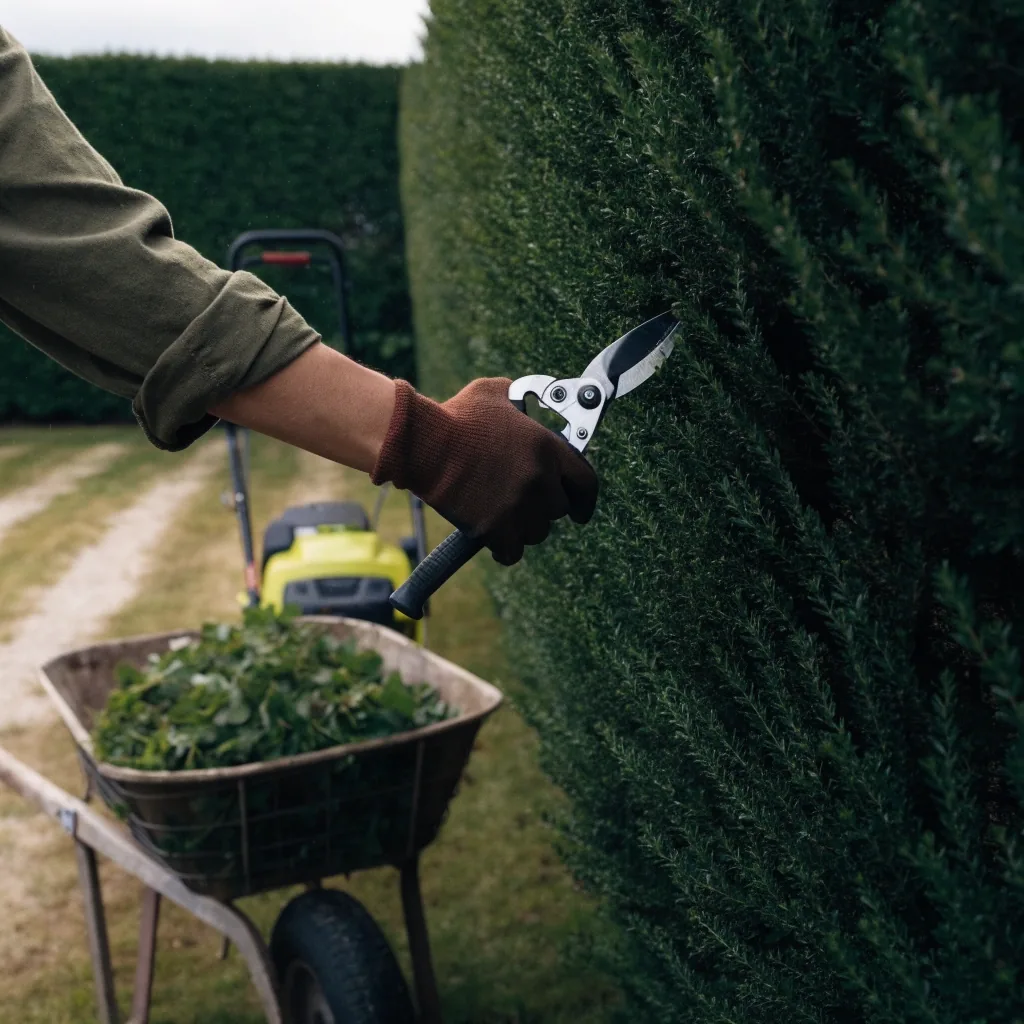
What a season covers
- Mowing and turf care through the growing months
- Hedge cutting and pruning in the correct window
- Weeding, edging and bed tidying
- Leaf collection in autumn
- Green-waste removal after every visit
Condominium and housing-estate grounds
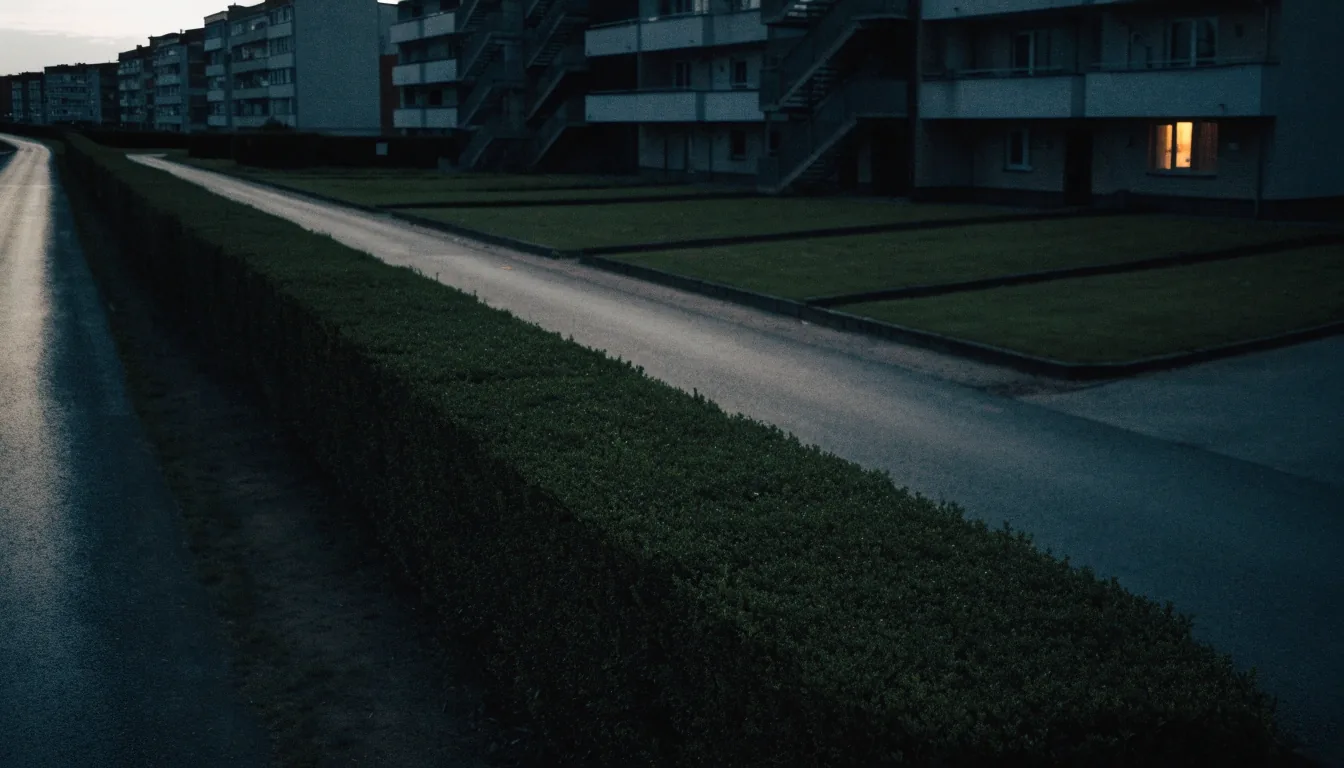
Shared residential grounds sit somewhere between a private garden and a public park. The work covers lawn areas, hedges, trees, paved access routes, and often the green strip along the parking bays where cars park half on the grass.
The practical difference is that several households share the result, so the schedule and the reporting matter as much as the horticulture. We agree a plan with whoever manages the property — the common representative, the managing agent, the caretaker — and keep to it, adjusting for season and for any work happening on the buildings themselves.
Agreed plan
Visit frequency, the tasks included and the seasonal variations are fixed in writing before the first cut.
Reported visits
Whoever manages the property gets a clear record of what was done, so residents' questions have an answer.
Coordination
We plan around scaffolding, window replacement, utility work and anything else happening on the buildings.
Municipal and public green spaces
Public green-space projects involve more coordination than anything else on this list. Hungarian municipal operations of this kind commonly combine tree care, plant-protection tasks and planting works with supervision of construction or landscaping projects on the same grounds, and they may also involve tree-removal permits and investment coordination.
That means the contractor has to work alongside other activity rather than on an empty site. Footpaths stay open, residents still use the park, and the schedule moves with the permits. We take on defined scopes within that structure, from seasonal maintenance to planting and groundworks, and we are clear about which part of the job is ours.
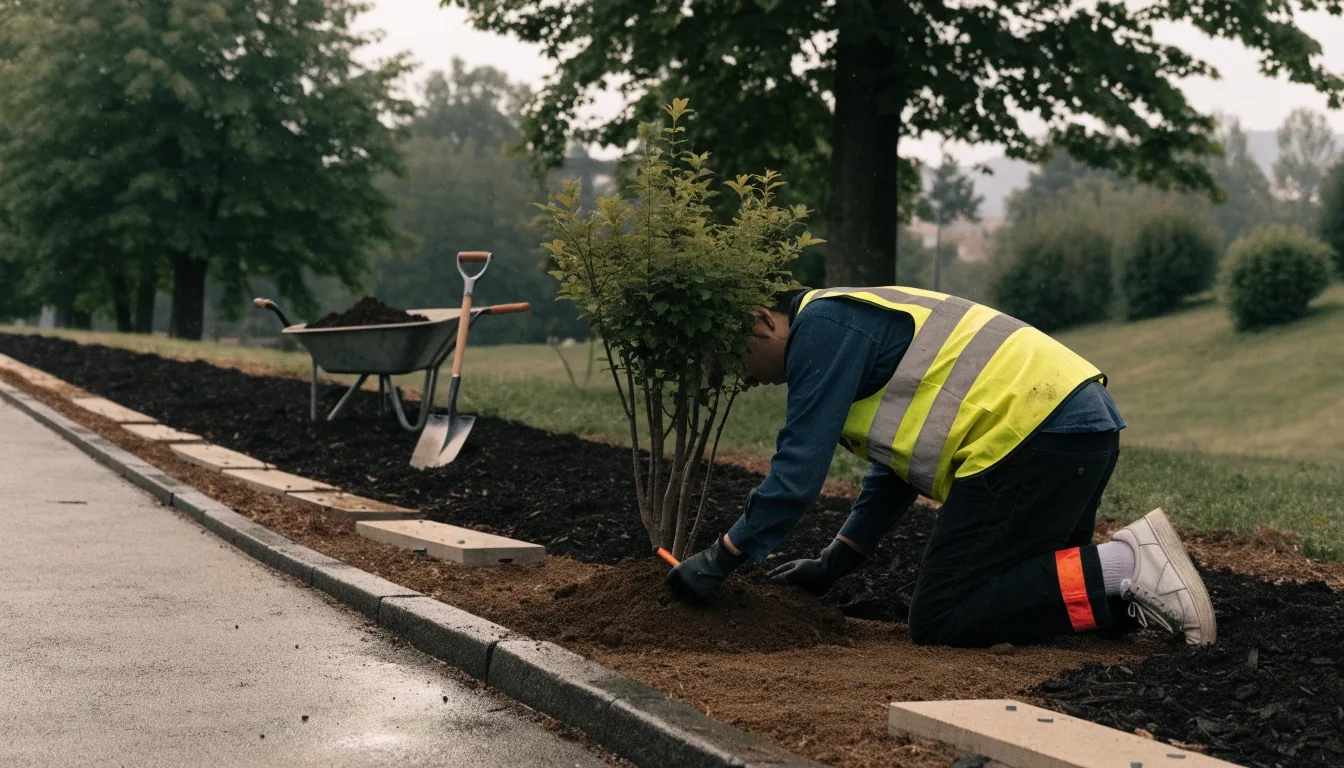
A defined planting scope inside a park that stays in public use while work runs.
Commercial and institutional sites
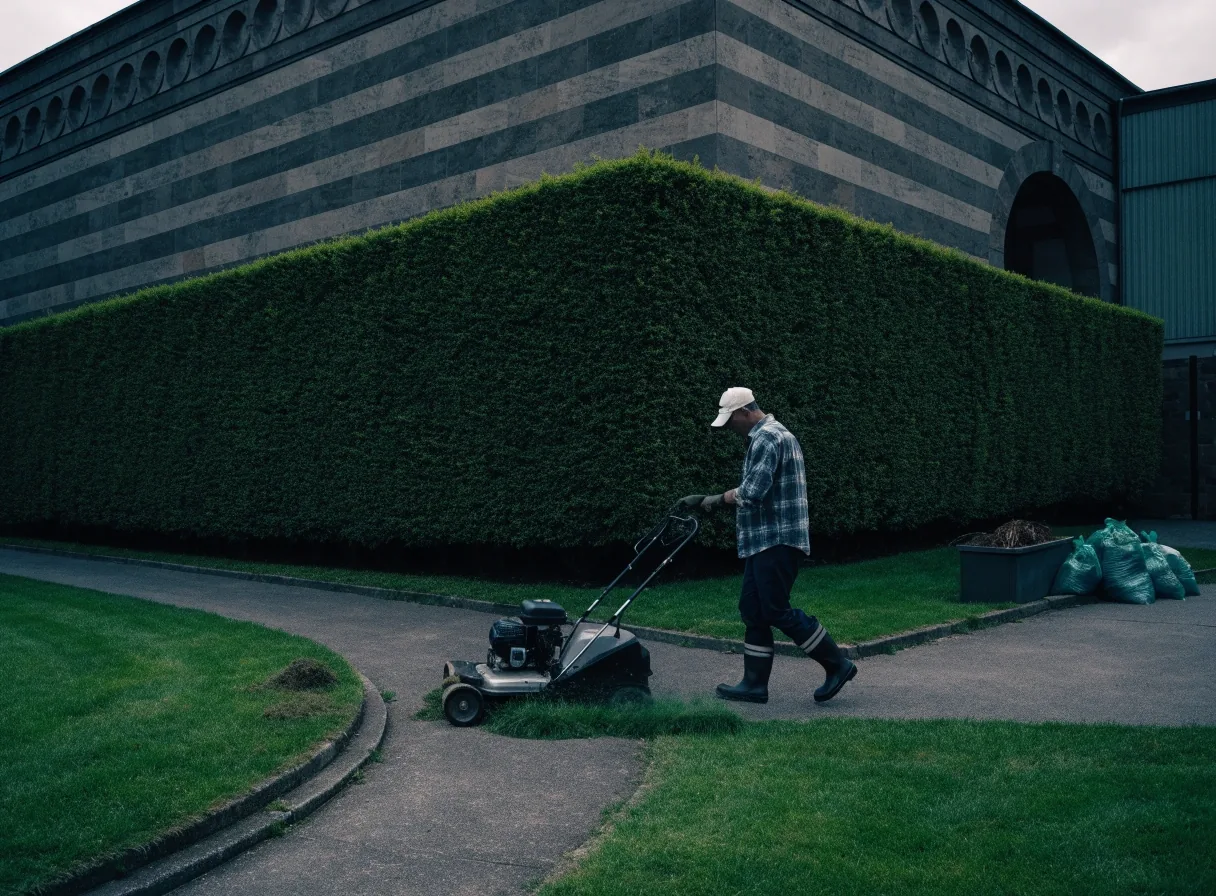
Company premises, schools, sports grounds and institutional buildings all need their surroundings kept presentable, and the work is routine in the best sense. Lawns cut to a consistent height, hedges in line, paths clear, and no green waste left behind at the end of the visit.
Access and timing often have to fit around the organisation's own hours, whether that means early starts before staff arrive or work scheduled during school holidays. For these clients we work to an agreed schedule with a clear record of completed tasks, so grounds maintenance never becomes a topic in a meeting.
Earthworks supporting other projects
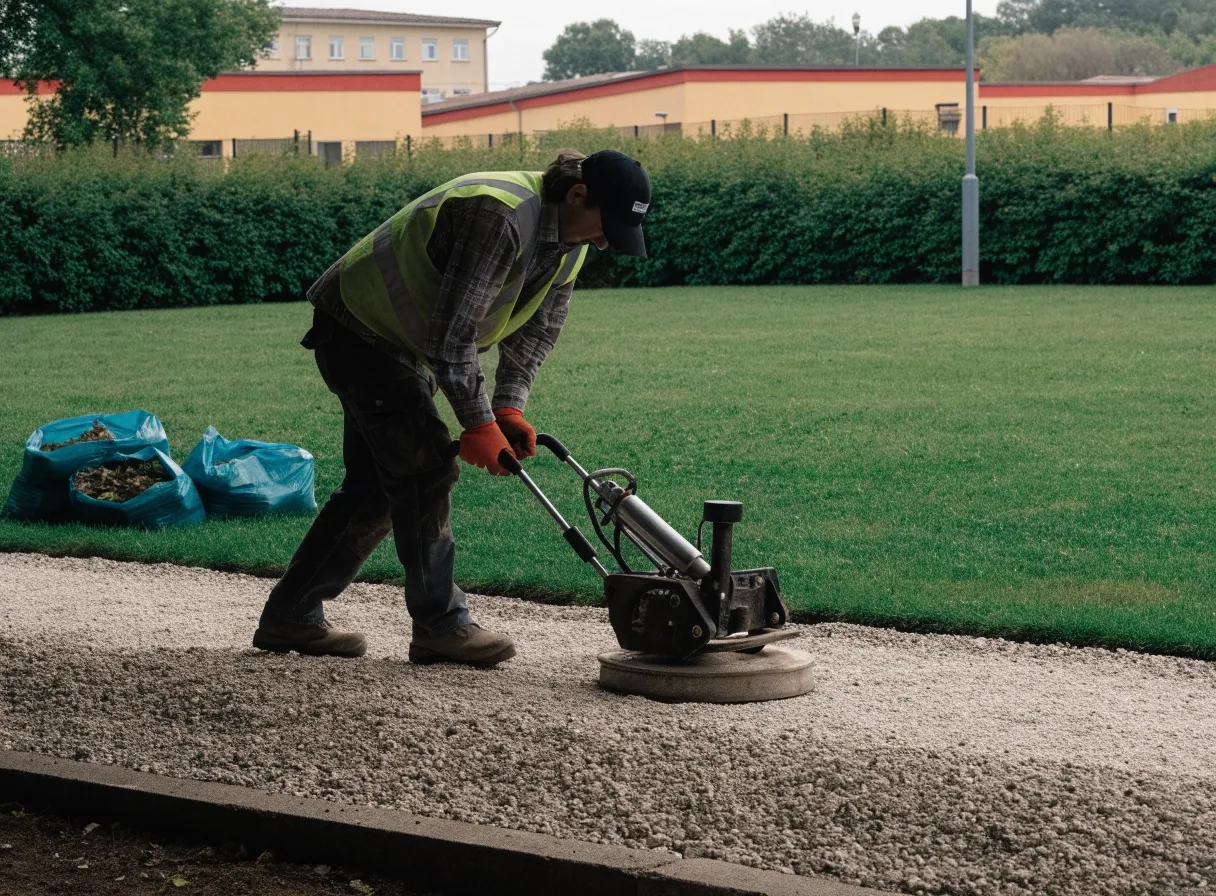
Some of our work is groundwork for something else: preparing a site before a building goes up, regrading around a new extension, or installing drainage before paving goes down. On these jobs the landscaping crew is one trade among several, and sequencing matters more than the finished appearance.
We plan access, spoil handling and the order of work with the main contractor so that ground preparation does not hold up the rest of the programme. That usually means agreeing where machines can stand, where excavated material goes, and which parts of the site have to stay usable for the other trades while we are on it.
Stage one
Access and set-up
Agree machine routes, standing areas and the protective measures around anything that must not be disturbed.
Stage two
Regrade and drain
Levels corrected, falls set away from the building, drainage run before any paving is laid.
Stage three
Handover
Surface left in a state the next trade can build on, with spoil either removed or placed where it was agreed.
Currently on our schedule
What we do not take on
Being clear about limits saves everyone time. We are not a tree-surgery service for large, hazardous removals that need specialist rigging, and we do not carry out building construction itself. We also do not take on projects outside Hungary.
Where a job needs a licensed specialist, such as certain electrical work for garden lighting, we will say so rather than stretch our scope. If a request sits just outside what we do, the honest answer usually comes in the first conversation, before anyone has spent time on a site visit.
Scope checked against every enquiry
Questions we get before a project starts
How long does a garden build usually take?
Plan on a few months rather than a few weeks. Earthworks and paving can move quickly, but planting is tied to spring and autumn windows, and wet weather can push a schedule back. We give you a realistic order of work rather than a single date.
Can you take over a garden that another contractor started?
Yes, and it happens often. We look at what has already been built, what is worth keeping, and where the unfinished work would cause problems later. If the earlier work has to be corrected first, we say so before quoting.
Do you work outside Győr?
Yes, across Hungary. Győr and the surrounding area are our home ground, so visits there are easiest to schedule. For projects further away we plan the site visits in blocks so travel does not stretch the job or the budget.
What is the first step if I want to discuss a project?
Send us a short description of the site and what you want from it, and we will arrange a visit. The site visit is where we judge whether the project fits our scope, what season it should start in, and roughly what order the work should happen in.
Can I start with maintenance and add a build later?
That is a common route. Starting with maintenance lets us learn how the garden behaves through a season, which makes the build plan sharper when the budget is ready. Nothing about the maintenance arrangement commits you to a construction project.
Discuss your project
If your site resembles one of the project types above, tell us a little about it: where it is, whether it is a garden, shared grounds, commercial premises or a plot waiting for groundworks, and what you want the finished result to do. We reply during working hours and arrange a site visit where a visit makes sense.
If it turns out the job needs a different specialist, we will point that out early. That answer costs nothing and saves time on both sides.
Where we work
- Address
- Szent Imre út 112, 9026 Győr, Hungary
- Phone
- +36 1 253 1813
- [email protected]
- Working hours
- Monday to Friday: 8:00 AM – 5:00 PM
Saturday: 9:00 AM – 1:00 PM
We work from Győr across Hungary. Projects outside the country are not something we take on.